Get Subfloor Replacement
Subfloor replacement services help property owners fix damaged, rotting, or uneven floors in projects like home renovations, repairs, or remodeling by connecting them with experienced local contractors.
Property owners considering subfloor replacement often seek reliable local contractors to ensure the job is done correctly and efficiently. Whether addressing issues like moisture damage, sagging flooring, or structural concerns, replacing a subfloor can be a practical step toward maintaining the integrity and safety of a property. Exploring options in the area allows homeowners and property managers to compare services, understand different approaches, and find experienced professionals who can handle the complexity of the work.
Continuing to research local service providers can help clarify the scope of the project and identify the best solutions for specific needs. By reviewing available options, property owners can make informed decisions about the quality and suitability of services offered. This process supports planning efforts and ensures that the chosen contractor has the expertise to deliver a durable, lasting result.
- Subfloor Replacement - needed when the existing subfloor has sustained water damage or mold growth.
- Subfloor Repair - required if there are loose or squeaking subfloor sections affecting floor stability.
- Subfloor Installation - necessary during home renovations or when upgrading to a more durable subfloor material.
- Subfloor Leveling - needed if the current subfloor is uneven, causing problems with flooring installation.
- Subfloor Inspection - advised when preparing for new flooring to identify underlying issues that need addressing.
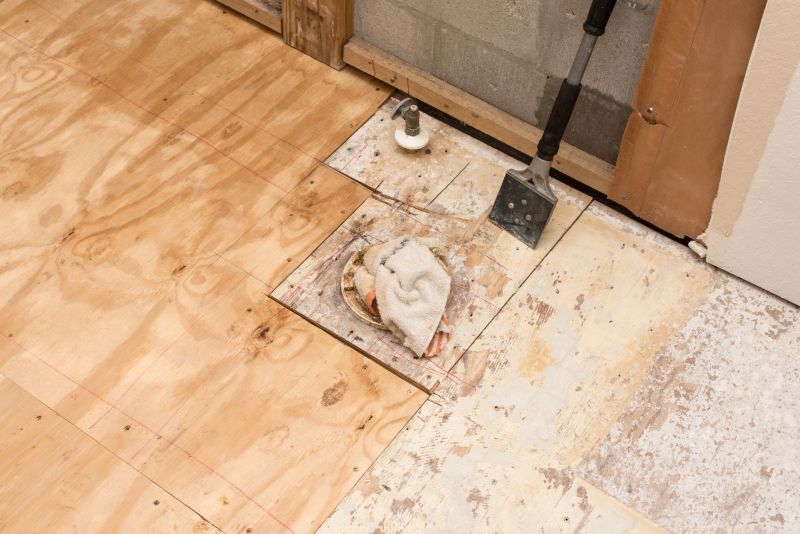
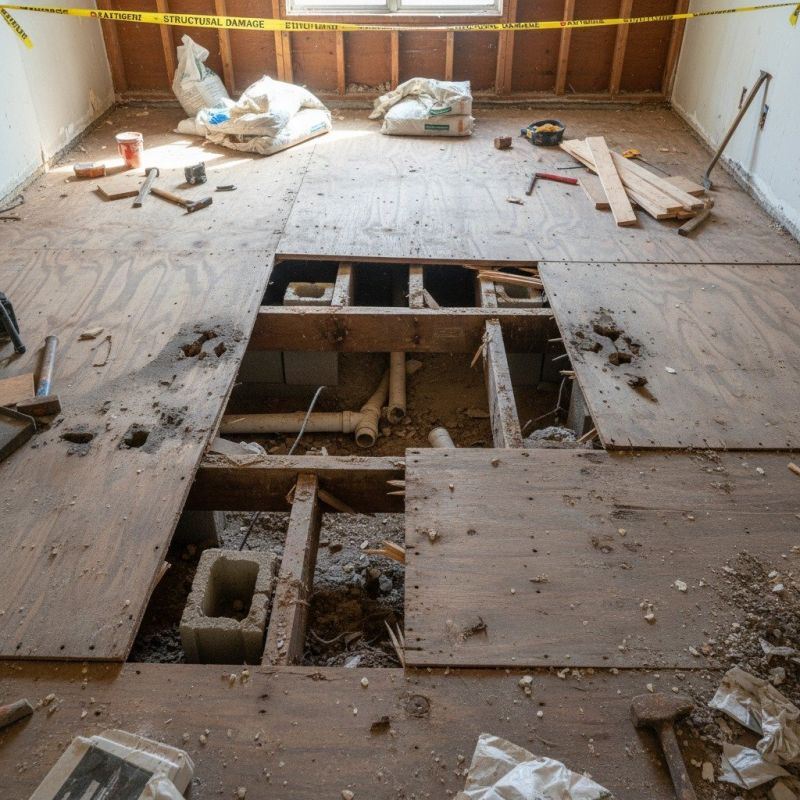
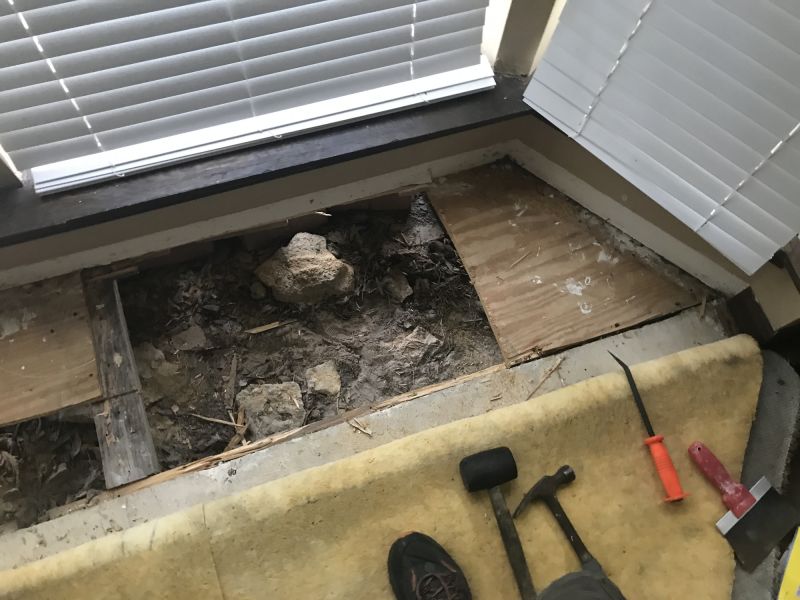
Subfloor replacement services involve removing and installing the foundational layer beneath a building’s flooring system. This process is essential when the existing subfloor has become damaged, weakened, or compromised over time. Skilled contractors will carefully assess the condition of the current subfloor, remove the affected sections, and replace them with new, durable materials. Proper installation ensures the stability and levelness of the floor above, helping to maintain the structural integrity of the property and providing a solid base for finished flooring materials such as hardwood, tile, or carpet.
This service addresses a variety of common problems that can affect a building’s subfloor. These include water damage from leaks or flooding, wood rot, mold growth, termite infestation, or structural shifts that cause uneven or sagging floors. Over time, these issues can lead to further damage, safety hazards, and costly repairs if not addressed promptly. Replacing the subfloor can restore the strength and safety of the flooring system, prevent further deterioration, and improve the overall condition of the property.
Subfloor replacement services are often utilized in residential properties, including single-family homes, townhouses, and condominiums. They are also relevant for commercial buildings with wooden or concrete subfloors, such as retail spaces, office buildings, and multi-unit complexes. Typically, properties that experience persistent moisture problems, have suffered from water damage, or are undergoing remodeling projects may require subfloor replacement. Homeowners and property managers seeking to ensure a safe, level, and long-lasting flooring surface should consider this service when signs of damage or instability become evident.
Homeowners might need subfloor replacement services if they notice uneven or bouncing floors, persistent squeaks, or visible signs of water damage like staining or mold growth. Cracks or gaps between floorboards can also indicate underlying issues with the subfloor. Addressing these problems early with professional replacement can help avoid more extensive repairs later on. Local contractors specializing in subfloor work can evaluate the condition of the existing foundation, recommend appropriate solutions, and perform the necessary work to restore the integrity and safety of the flooring system.
The overview below groups typical Subfloor Replacement projects into broad ranges so you can see how smaller, mid-sized, and larger jobs often compare in your area.
In many markets, a large share of routine jobs stays in the lower and middle ranges, while only a smaller percentage of projects moves into the highest bands when the work is more complex or site conditions are harder than average.
Smaller Repairs - typical costs for minor subfloor repairs range from $250-$600, covering simple patching or replacement of small sections. Many routine jobs fall within this middle range, depending on the extent of damage and materials needed.
Moderate Replacement - larger projects involving partial subfloor replacement usually cost between $1,000 and $3,000. These jobs often include removing and replacing significant sections of the subfloor in a single area or room.
Full Subfloor Replacement - complete replacement of an entire subfloor can range from $4,000 to $8,000 or more, especially for larger homes or complex setups. Fewer projects reach the highest tiers, which are typically reserved for extensive or multi-room replacements.
Complex or Custom Projects - highly customized or complex subfloor replacements, such as those involving structural modifications, can exceed $10,000. These projects are less common and usually involve additional structural work or specialized materials.
Actual totals will depend on details like access to the work area, the scope of the project, and the materials selected, so use these as general starting points rather than exact figures.
Flooring Installation - Professionals skilled in flooring installation often handle subfloor prep and replacement as part of their projects, ensuring a solid foundation for new flooring.
Bathroom Remodels - Bathroom renovation experts frequently replace subfloors to address water damage or improve stability before installing new fixtures and finishes.
Kitchen Renovations - Kitchen upgrade contractors may perform subfloor repairs or replacements to create a level surface for new cabinets and flooring materials.
Basement Finishing - Contractors working on basement finishing projects often handle subfloor replacement to provide a durable base for flooring in below-grade spaces.
Concrete Floor Repair - Specialists in concrete repair work may also be involved in subfloor leveling and replacement to ensure proper support for various flooring types.
Wood Floor Refinishing - Professionals refinishing wood floors sometimes need to replace or repair subfloors to address underlying issues affecting the finished surface.
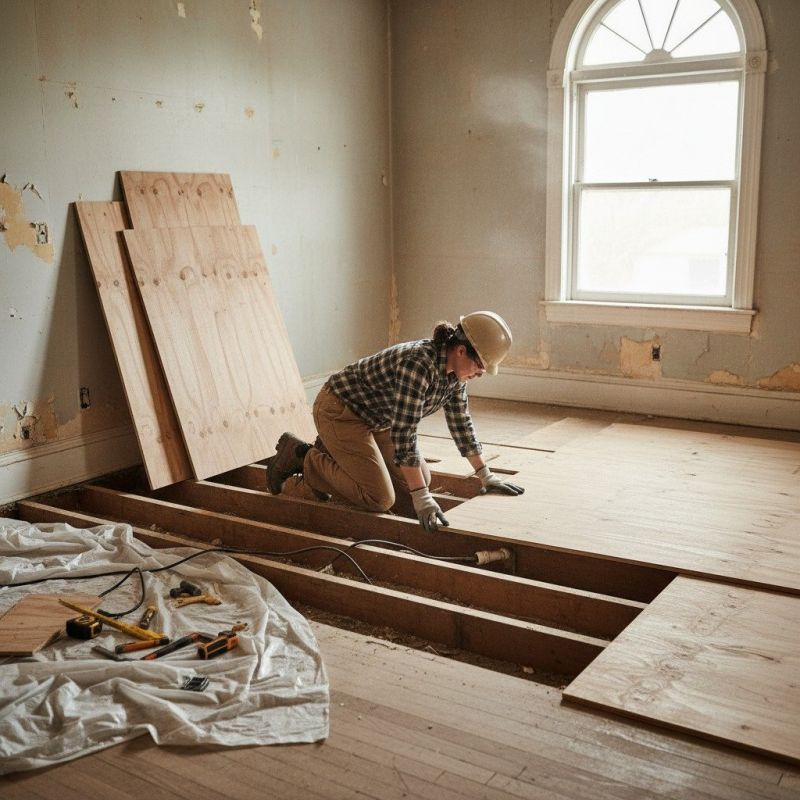
When comparing local contractors for subfloor replacement, it’s important to consider their experience with similar projects. Homeowners should look for service providers who have a proven track record of handling subfloor work in residential settings. Asking about the number of years they have been performing this type of work or requesting examples of past projects can help gauge their familiarity with the process and potential challenges. An experienced contractor is more likely to understand the nuances involved and deliver results that meet expectations.
Clear, written expectations are essential when evaluating local pros. Homeowners should seek detailed estimates that outline the scope of work, materials to be used, and any specific steps involved in the subfloor replacement process. Having this information in writing helps prevent misunderstandings and provides a reference point throughout the project. It’s also beneficial to discuss how the contractor plans to handle unforeseen issues or changes, ensuring both parties are aligned on procedures and outcomes.
Reputable references and effective communication are key indicators of a reliable service provider. Homeowners are encouraged to ask for references from previous clients who had similar work done and to follow up with those references to learn about their experiences. Good communication throughout the process-prompt responses to questions, clarity about procedures, and transparency about progress-also contributes to a smoother project. Connecting with local contractors who prioritize clear dialogue and have positive references can help ensure the subfloor replacement is completed successfully and with minimal surprises.
Property owners use Subfloor Replacement services for practical projects around their homes and businesses. This guide focuses on everyday jobs and straightforward project options.
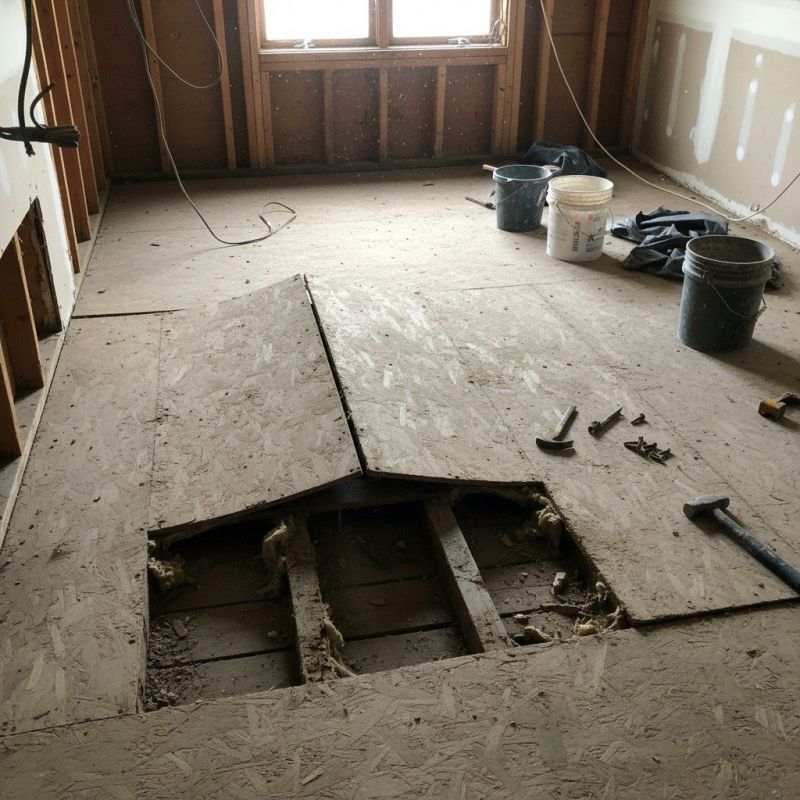
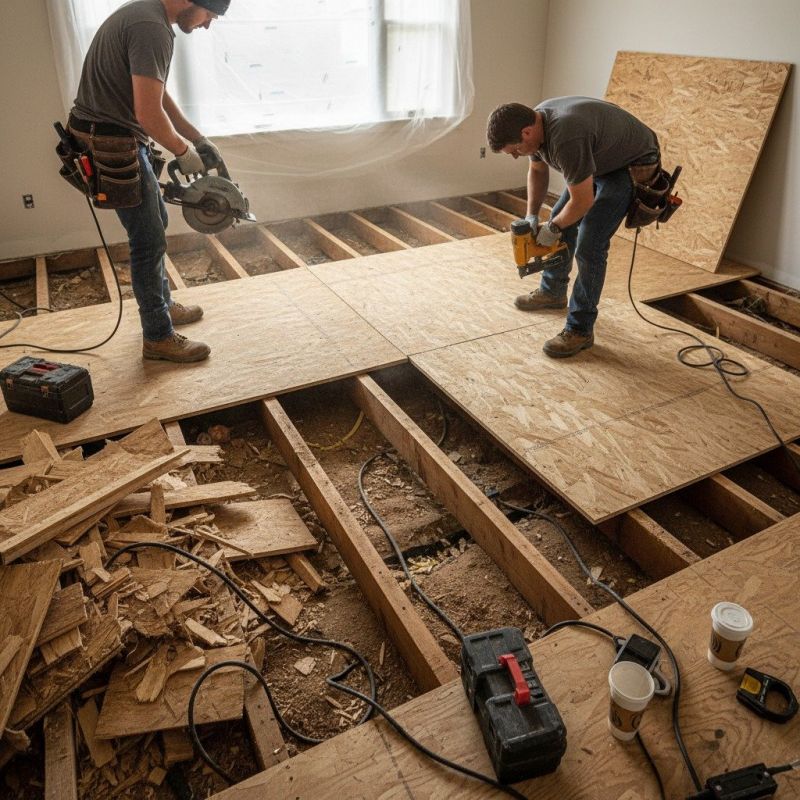
Subfloor replacement services are often sought by property owners dealing with issues like uneven flooring, persistent squeaks, or visible damage beneath carpets and flooring surfaces. These situations can arise from water leaks, structural shifts, or age-related wear and tear, making it necessary to have the subfloor inspected and replaced by experienced local contractors. Replacing a damaged or compromised subfloor can help improve the stability and safety of a home or commercial space, ensuring a solid foundation for new flooring installations or renovations.
Homeowners and property managers may also look for subfloor replacement when preparing a space for remodeling or after discovering mold, rot, or pest damage beneath existing flooring. Local service providers can assess the condition of the subfloor and perform the necessary repairs or replacements to restore the integrity of the flooring system. Connecting with qualified local contractors ensures that the work is handled efficiently and properly, helping to maintain the property's value and functionality.
What is involved in subfloor replacement? Subfloor replacement typically involves removing damaged or rotted subfloor material and installing new, sturdy subfloor panels to ensure a solid foundation for flooring installation.
Why might a home need subfloor replacement? A home may require subfloor replacement due to water damage, mold, rot, or structural issues affecting the stability of the existing subfloor.
How do local contractors handle subfloor replacement projects? Local service providers assess the extent of damage, remove the compromised subfloor, and install new panels to restore the floor's integrity and support.
What types of materials are used for subfloor replacement? Common materials include plywood, oriented strand board (OSB), and other engineered wood panels designed for durability and stability.
Can subfloor replacement be combined with other flooring improvements? Yes, subfloor replacement often accompanies upgrades like new flooring installation or repairs to underlying structures for a comprehensive renovation.
Subfloor Replacement for Renovations - When updating a home or finishing a basement, replacing the subfloor can create a stable foundation for new flooring projects. Local contractors can help ensure the subfloor is properly installed to support the desired flooring type.
Addressing Water Damage - In cases of water leaks or flooding, replacing damaged subfloor sections can restore the structural integrity of a property. Service providers can assess and replace affected areas to prevent further issues.
Preparing for New Flooring Installation - Before installing hardwood, laminate, or tile, a smooth and solid subfloor is essential. Local pros can remove old or uneven subfloors and prepare the surface for a successful flooring installation.
Repairing Structural Issues - If a property has sagging or uneven floors, replacing or reinforcing the subfloor can improve stability and safety. Local contractors can evaluate and perform necessary repairs to enhance the floor's performance.
If you are thinking about Subfloor Replacement for a property, this guide is meant to help you understand the work, the typical project types, and how different options might fit your plans.
When you are ready, you can use the quote form on this page to share a few details about your project. From there, local pros can review the basics and respond with options that match what you have in mind.